What is high creatinine? Does every high creatinine level mean kidney failure?
What is creatinine?
Creatinine is a natural waste product produced during the normal functioning of our muscles. Healthy kidneys filter creatinine from the blood and eliminate it from the body through urine. Therefore, the level of creatinine in the blood provides important information about the filtering capacity of the kidneys. However, creatinine alone does not fully reflect kidney function. Age, gender, muscle mass, dietary habits, and medications can also affect creatinine levels.

Why does creatinine level rise?
The most common causes of elevated creatinine levels are:
1. Temporary fluid loss (dehydration)
Not drinking enough water, prolonged vomiting or diarrhea, or excessive sweating can reduce blood flow to the kidneys, causing a temporary increase in creatinine levels.
2. Medications being used
Some medications can affect kidney function or increase creatinine levels. Specifically:
- Pain relievers (NSAID group)
- Some antibiotics
- Imaging procedures that use contrast agents
- Some rheumatological and oncological treatments
Close monitoring may be required.
3. Chronic kidney disease
Diabetes, hypertension, glomerular diseases, and hereditary kidney diseases can cause a persistent increase in creatinine levels over time.
4. Urinary tract obstructions
Kidney stones, prostate enlargement, or urinary tract obstructions can impair the kidney's filtering function.
5. Muscle mass and intense exercise
People with more muscle mass may naturally have higher creatine levels. Temporary increases can also occur after strenuous exercise.
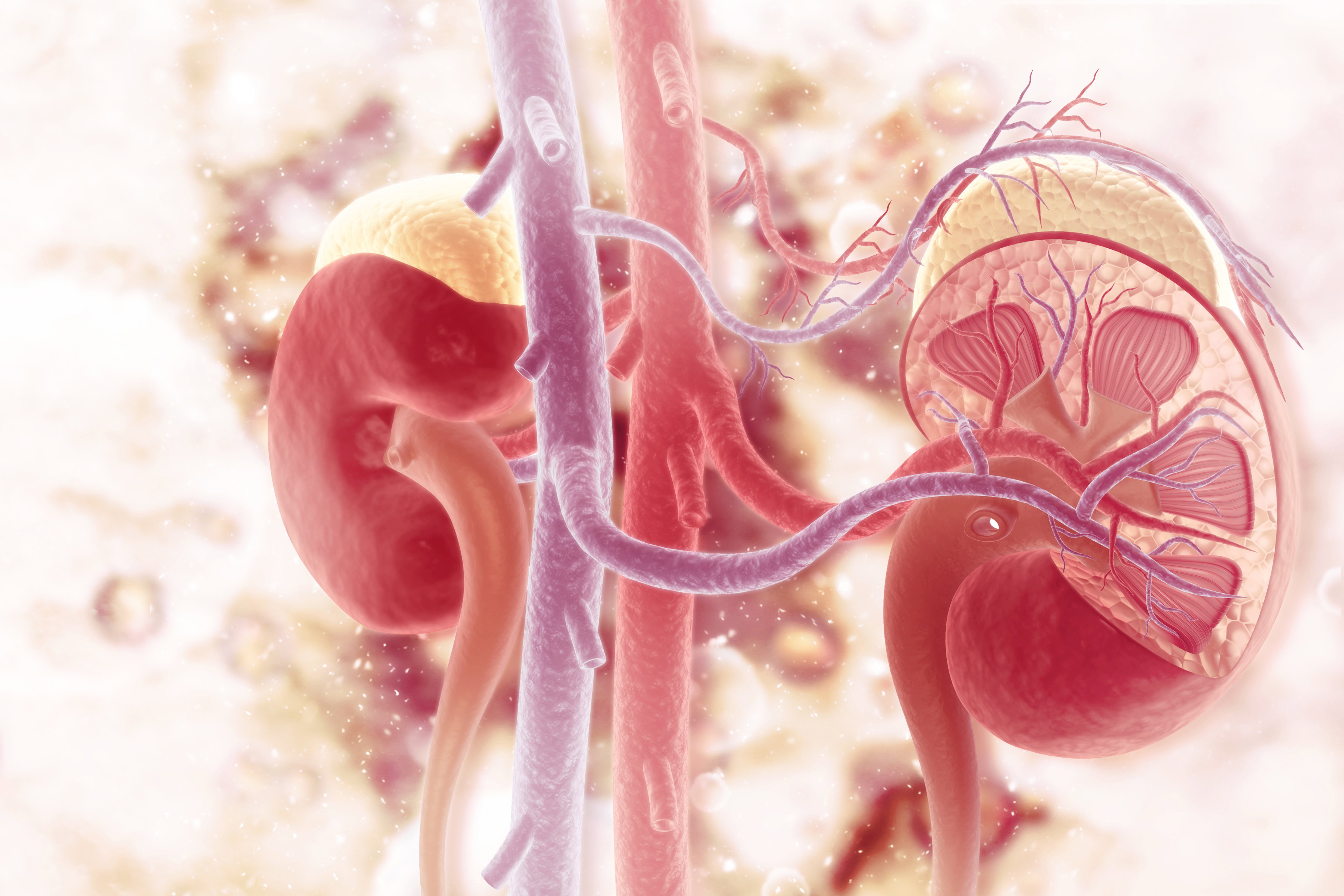
Does every high creatinine level indicate kidney failure?
No. Renal failure cannot be diagnosed with a single creatinine level. The main parameters that should be considered together in the evaluation are:
- eGFR (estimated renal filtration rate)
- Previous creatinine values
- Urinalysis
- Protein or albumin leakage in the urine
- Kidney ultrasonography
- The patient's medications and existing illnesses.
Sometimes creatinine levels can return completely to normal within a few days. However, in some patients, an early detected elevation may be the first sign of progressive kidney disease.
Does high creatinine level cause symptoms?
In the early stages, most patients may have no symptoms. However, when kidney function significantly decreases, the following symptoms may occur:
- Weakness
- Anorexia
- Nausea
- Swelling in the feet
- Shortness of breath
- Increased urination at night
- Increased blood pressure
These symptoms are not exclusive to kidney disease and can develop for various other reasons.
What should be done to lower creatinine levels?
There is no miracle drug or herbal product to "lower" creatinine. The main goal is to properly treat the underlying disease causing the high creatinine levels. To do this:
- Keep your blood pressure within the target range.
- If you have diabetes, keep your blood sugar under control.
- Do not use painkillers witho