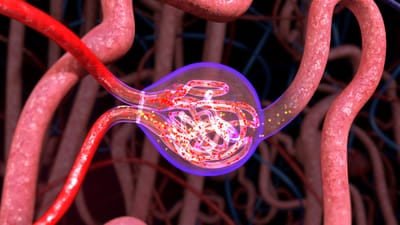
Kan tahlillerinde kreatinin değerinin yanında sıklıkla eGFR veya tahmini glomerüler filtrasyon hızı adı verilen bir değer görülür. Pek çok kişi eGFR'nin düşük olduğunu gördüğünde bunun doğrudan böbrek yetmezliği anlamına geldiğini düşünür. Ancak tek bir düşük eGFR değeri her zaman kronik böbrek hastalığı anlamına gelmez.
Read MoreDoç. Dr. Hacı Hasan Yeter
Kronik Böbrek Hastalığı
Böbrek Nakli
Periton Diyalizi
Hemodiyaliz
Nephrology Specialist | Ankara
Appointment/Contact
- Hacettepe University Hospitals, Altındağ/Ankara, Türkiye
Doç. Dr. Hacı Hasan Yeter – Nefroloji Uzmanı
Hasta Odaklı Kronik Böbrek Hastalığı Nedir?
Kronik böbrek hastalığı (KBH), yalnızca glomerüler filtrasyon hızındaki (GFR) azalma ya da laboratuvar parametreleriyle tanımlanan biyomedikal bir durum değildir.
KBH; hastanın günlük yaşamını, psikososyal durumunu, tedaviye uyumunu, yaşam kalitesini ve geleceğe dair beklentilerini derinden etkileyen kronik, ilerleyici ve çok boyutlu bir hastalıktır.
Bu nedenle modern nefrolojide yaklaşım, yalnızca hastalığı değil hastayı merkeze alan bir bakış açısını zorunlu kılar.
Hasta odaklı kronik böbrek hastalığı, tanıdan tedaviye, izlemden karar süreçlerine kadar tüm aşamalarda hastanın değerlerini, tercihlerini, yaşam koşullarını ve hedeflerini dikkate alan bir bakım modelini ifade eder.
Doç. Dr. Hacı Hasan Yeter
Nefroloji Uzmanı
Nefroloji Uzmanı
Doğum Yeri / Tarihi: Kahramanmaraş, 17 Mart 1986
Evli ve 1 kız çocuk babası
Eğitim
Tıp Fakültesi:Hacettepe Üniversitesi (2011)
İç Hastalıkları Uzmanlığı: Hacettepe Üniversitesi, Tıp Fakültesi (2016)
Tez: Septik şok hastalarında hipokalseminin değerlendirilmesi: Vitamin D ve paratiroid hormon yanıtı
Nefroloji Yan Dal Uzmanlığı: Gazi Üniversitesi, Tıp Fakültesi (2020)
Akademik Ünvan
Doçent Doktor (Nefroloji) – 23 Şubat 2024
Çalıştığı Kurum
Hacettepe Üniversitesi, Tıp Fakültesi
İç Hastalıkları Anabilim Dalı – Nefroloji Bilim Dalı
İlgi Alanları
Periton diyalizi ve Artımlı periton diyalizi
Böbrek nakli
Rezidüel böbrek fonksiyonunun korunması
Trombotik mikroanjiyopatiler
Uzaktan hasta izlem sistemleri
Kardiyorenal sendrom
Glomerüler hastalıklar
Bilimsel Yayınları
https://avesis.hacettepe.edu.tr/hasan.yeter
Patient Information
When kidney function is severely reduced and dialysis treatment becomes necessary, one of the most frequently asked questions by patients is: "Is peritoneal dialysis or hemodialysis better?" There is no single answer that applies to everyone. This is because the choice of dialysis method depends not only on the degree of kidney disease, but also on the individual's age, other illnesses, remaining kidney function, daily life, work status, home conditions, and personal preferences. The best dialysis method is the one that best suits the patient's medical and social characteristics.
Read More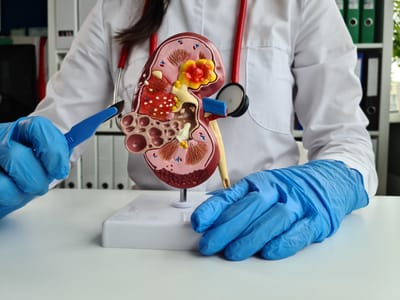
Seeing the phrase "kidney cyst detected" in a report after an ultrasound or CT scan can cause anxiety in patients. The most frequently asked questions are: "I have a cyst in my kidney, is it dangerous?" "Can the cyst turn into cancer?" "If the cyst grows, will it need to be removed?" First of all, it should be noted that not every cyst found in the kidney is dangerous. Simple kidney cysts, which are detected incidentally, are quite common, especially in adults, and the vast majority are benign. However, not all kidney cysts are the same. Imaging characteristics are more important than the size of the cyst.
Read More
A practical 13-step guide to blood pressure control, explaining the effects of hypertension on the kidneys, from measurement to diet and medication, to protect the kidneys.
Read More
This is one of the most frequently asked questions in our nephrology clinic. There's a common belief that "the more water you drink, the better your kidneys work" or "drinking plenty of water cleanses the kidneys." However, the correct answer isn't the same for everyone. The amount of fluid needed can differ between a healthy person, a patient with kidney stones, a person with chronic kidney disease, and a dialysis patient. In fact, for some patients, drinking more water than necessary may not only be unhelpful but also harmful.
Read More
A high creatinine level in a blood test doesn't always mean kidney failure. Creatinine levels can be affected by kidney function, as well as age, gender, muscle mass, fluid status, diet, intense exercise, and certain medications. Therefore, creatinine levels should not be evaluated in isolation, but rather in conjunction with previous creatinine values, eGFR, urinalysis, and albumin/protein levels in the urine. This article will explain in detail what creatinine is, why it rises, when it is dangerous, and when you should consult a nephrologist.
Read More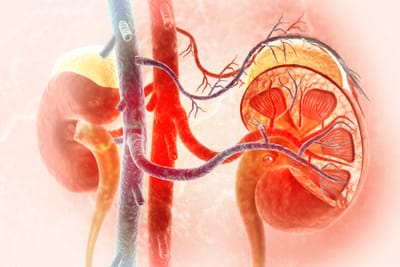
Elevated creatinine levels are one of the most common reasons for visits to nephrology clinics due to kidney disease. However, for many people, the phrase "high creatinine" can cause unnecessary anxiety. In reality, there are many different causes of high creatinine levels, and it doesn't always mean permanent kidney damage. In this article, we explain what creatinine is, why it can rise, and when you should consult a nephrologist.
Read More
Is every instance of proteinuria dangerous? No. In some cases, temporary proteinuria can occur: after strenuous exercise, during a feverish illness, when dehydrated, or during periods of intense stress. However, persistent proteinuria must be investigated.
Read More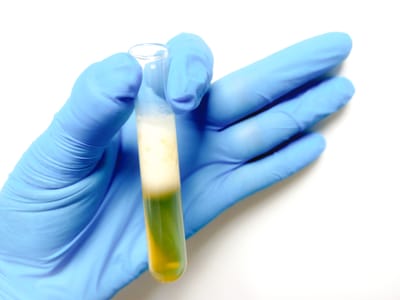
Our kidneys are one of the most important filtering systems in our body. Every day, liters of blood pass through the kidneys, preserving essential substances while removing harmful waste products through urine. A healthy kidney retains most of the valuable proteins in the blood. However, in some cases, the kidney's filtering structure malfunctions, and proteins that shouldn't normally pass into the urine begin to be lost. This is called protein leakage, or proteinuria. Protein leakage can sometimes progress for years without showing any symptoms. Therefore, early diagnosis is critical for protecting kidney health. Regular check-ups are especially important for people with hypertension, diabetes, or a family history of kidney disease.
Read More
Lifestyle changes are a fundamental step in the treatment of hypertension for all patients. They may delay or reduce the need for medication in some individuals; however, they do not always replace medication in suitable patients. The goal is not just to lower blood pressure, but to protect the heart, brain, kidneys, and blood vessels for many years. Remember: Hypertension is a silently progressing disease. Feeling well does not mean your blood pressure is under control. Successful results are achieved when regular monitoring, healthy lifestyle habits, and appropriate medication are used together.
Read More
In the treatment of hypertension, lifestyle changes are as important as medication. Improving dietary habits, in particular, can help lower blood pressure and reduce the number of medications used. Studies show that proper nutrition can lead to a reduction in systolic blood pressure of 5–15 mmHg.
Read More
Hypertension: A Silently Progressing Disease Hypertension (high blood pressure) is a condition in which blood is forced against the walls of blood vessels at a higher pressure than normal. It is one of the most common chronic diseases worldwide and is among the leading causes of cardiovascular disease, stroke, and kidney failure. The most important characteristic of hypertension is that it can progress for many years without showing any symptoms. For this reason, it is often called the "silent killer".
Read MoreFrequently Asked Questions
What are the early signs of kidney disease?
Erken evre kronik böbrek hastalığı çoğu zaman belirti vermez. Bu nedenle de böbrek hastalığı için risk faktörü olan (şeker hastalığı, hipertansiyon, ailede böbrek hastalığı, taş hastalığı, vb.) bireyler düzenli takip edilmezse hastalık bazen diyaliz aşamasına gelene kadar fark edilmeyebilir. Hastalık ilerledikçe halsizlik, bacaklarda şişlik, yüksek tansiyon, gece sık idrara çıkma, iştahsızlık ve bulantı görülebilir. Bu nedenle risk grubundaki kişilerin nefrolog kontrolünde düzenli kontrol yaptırması önemlidir.
In what situations is a kidney biopsy performed?
İdrarda yüksek miktarda protein kaçağı, nedeni açıklanamayan böbrek fonksiyon bozukluğu, bazı sistemik hastalıklar veya glomerül hastalığı şüphesinde böbrek biyopsisi gerekebilir. İşlem lokal anestezi altında yapılır ve çoğu hasta kısa sürede günlük yaşamına dönebilir.
Why is protein leakage in urine important?
Proteinüri, böbrek hasarının en erken belirtilerinden biridir. Tedavi edilmediğinde böbrek fonksiyonlarının daha hızlı bozulmasına neden olabilir. Erken tanı ve uygun tedavi ile protein kaçağı azaltılabilir ve böbrekler uzun yıllar korunabilir.
How much water should I drink if I have kidney disease?
Herkes için geçerli tek bir su miktarı yoktur. Günlük sıvı ihtiyacı; böbrek fonksiyonlarına, kalp hastalığına, kullanılan ilaçlara ve kişinin genel sağlık durumuna göre değişir. Gereğinden fazla su içmek de bazı hastalarda zararlı olabilir. Size uygun sıvı miktarı nefroloji değerlendirmesi ile belirlenmelidir.
What is eGFR?
eGFR, böbreklerin kanı süzme kapasitesini gösteren hesaplanmış bir değerdir. Kreatinin ile birlikte değerlendirilir. Düşük eGFR her zaman kalıcı böbrek hastalığı anlamına gelmese de, özellikle üç aydan uzun süre düşük seyrediyorsa ayrıntılı değerlendirme gerektirir.
What should the diet be like for people with kidney disease?
Beslenme planı hastalığın evresine göre değişir. Tuz tüketiminin azaltılması, sağlıklı kilonun korunması ve uygun protein alımı önemlidir. Potasyum, fosfor ve sıvı kısıtlaması ise her hastaya gerekli değildir; bu nedenle kişiye özel beslenme planı oluşturulmalıdır.
When does dialysis become an option, and what types of dialysis are there?
Dialysis is considered temporarily in advanced renal failure, where the kidneys cannot adequately remove waste and excess fluid, and in some cases, in acute kidney injury. The decision is not based solely on laboratory results, but also on clinical findings such as nausea and vomiting, loss of appetite, fluid overload, uncontrolled blood pressure, severe electrolyte imbalance (especially high potassium), acidosis, and uremic symptoms. There are two main methods: hemodialysis (via a device through a venous access/AV fistula) and peritoneal dialysis (a method that can be performed at home using the peritoneal membrane). Which method is suitable is planned by a nephrologist based on lifestyle, vascular structure, comorbidities, and patient preference.
Which medications should I avoid or use cautiously for kidney health?
Some medications can negatively affect kidney function or require dose adjustments in cases of pre-existing kidney disease. In particular, NSAIDs (ibuprofen, naproxen, diclofenac, etc.), commonly used as pain relievers, can increase the risk of kidney damage when used long-term or without control; this risk is further increased by dehydration, advanced age, hypertension, and diabetes. Additionally, some antibiotics, agents used before imaging procedures involving contrast agents, and herbal/“natural” supplements can also cause kidney problems. Individuals who regularly take medication or whose kidney function is borderline should consult a nephrologist/relevant physician before starting a new medication, and monitoring with creatinine-eGFR and electrolytes should be performed if necessary.
Does high creatinine levels indicate kidney failure?
Hayır. Geçici sıvı kaybı, bazı ilaçlar veya yoğun egzersiz gibi nedenlerle de yükselebilir. Ancak nedeni mutlaka araştırılmalıdır.
Does drinking plenty of water lower creatinine levels?
Eğer yükselme sıvı eksikliğine bağlıysa evet. Ancak kronik böbrek hastalığında gereğinden fazla su içmek fayda sağlamaz, hatta bazı hastalarda zararlı olabilir.
Does a high creatinine level require dialysis?
Hayır. Diyaliz kararı yalnızca kreatinin değerine göre verilmez. Hastanın genel durumu, potasyum seviyesi, sıvı yükü, asit-baz dengesi ve belirtileri birlikte değerlendirilir.
Does exercise increase creatine levels?
Evet. Yoğun egzersiz ve fazla kas kitlesi kreatinin düzeyini hafif artırabilir.
Can high creatinine levels be corrected?
Nedene bağlıdır. Akut böbrek hasarı, sıvı kaybı veya ilaçlara bağlı yükselmeler tamamen düzelebilir. Kronik böbrek hastalığında ise amaç, böbrek fonksiyon kaybını yavaşlatmak ve ilerlemesini önlemektir.