What is Chronic Kidney Disease?
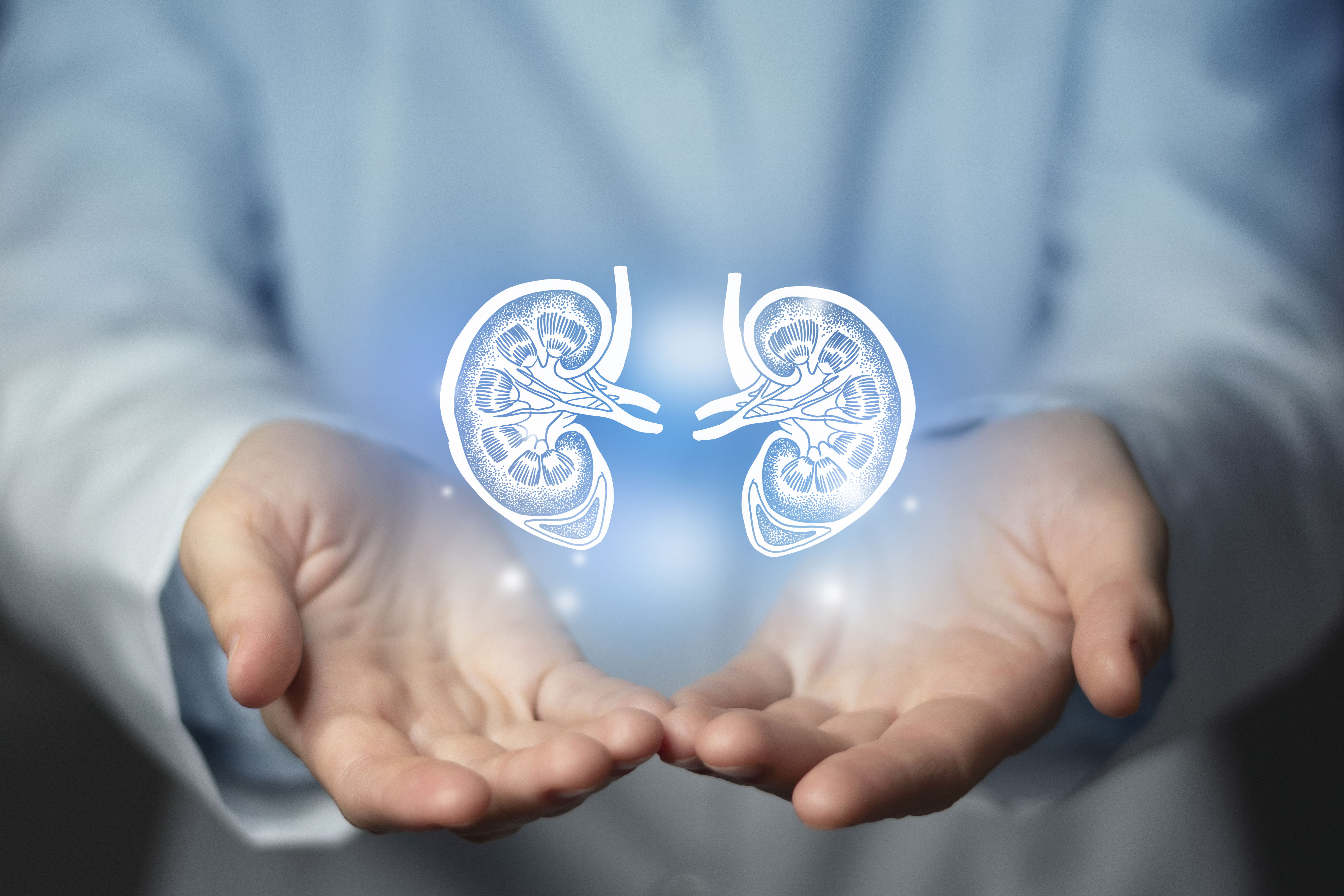
Our kidneys are silent but vital organs in our body. They filter the blood, remove harmful substances, maintain fluid and electrolyte balance, and contribute to blood pressure regulation. However, these functions can deteriorate over time and without being noticed. This condition is called chronic kidney disease .
Chronic kidney disease (CKD) is a condition in which the kidneys' filtering function is permanently reduced for at least 3 months , or signs of kidney damage persist. CKD often progresses slowly and may not show symptoms in the early stages. Therefore, many people only realize they have kidney disease at a later stage.
Why is Chronic Kidney Disease Important?
CKD is not just a problem affecting the kidneys. If left untreated:
- The risk of cardiovascular disease increases.
- Anemia and bone diseases may develop.
- In advanced stages, dialysis or a kidney transplant may be necessary.
Early diagnosis can make it possible to slow down or even stop this process.
What causes chronic kidney disease?
The most common causes of CKD are:
- Diabetes
- Hypertension
- Proteinuria (Glomerulonephritis)
- Long-term uncontrolled use of medication (especially painkillers)
- Genetic kidney diseases
- Recurrent kidney infections
What are the symptoms?
There are usually no symptoms in the early stages. However, in later stages:
- Weakness and easy fatigue
- Swelling in the feet and eyelids
- Frequent urination at night
- Foaming in urine
- Loss of appetite, nausea
- Itching of the skin
Complaints such as these may arise.
Is Chronic Kidney Disease Treatable?
CKD is often not completely curable, however:
- The progression of the disease can be slowed down.
- Complications can be prevented.
- Quality of life can be preserved.
The main goals of treatment are:
- Co