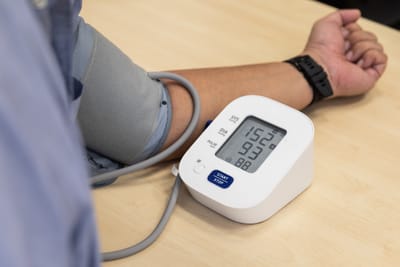
Before measuring your blood pressure, rest for 5 minutes, support your back, place your feet on the floor, hold your arm at heart level, and measure twice with a 1-minute interval. Make your decision based on a weekly average, not a single measurement.
Read MorePatient Information
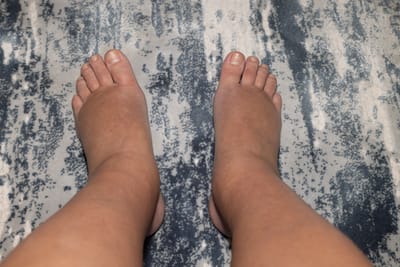
Diuretics, commonly known as "water pills," are medications that help remove excess fluid from the body by causing the kidneys to excrete more water and salt through urine. They are widely used, particularly in heart failure, nephrotic syndrome, liver failure, and sometimes in advanced renal failure. Individualization and a patient-specific approach are essential for good treatment outcomes when using these medications.
Read More
High uric acid levels alone do not always indicate disease and do not require treatment. However, treatment may be necessary if there is gout, kidney stones, or very high levels. The first step in lowering uric acid is healthy eating, weight control, and adequate fluid intake.
Read More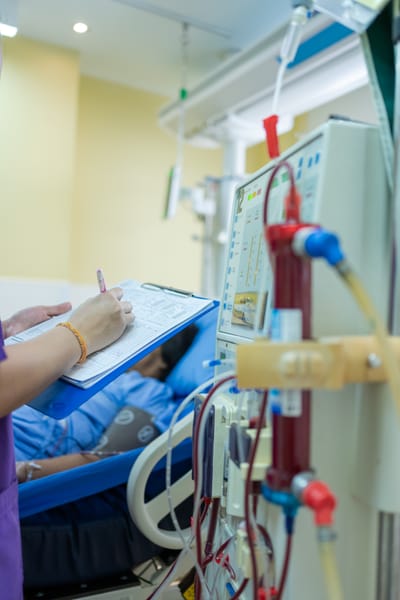
Mild fatigue lasting a few hours after hemodialysis is common. However, fatigue that lasts all day or extends into the next day is not considered normal. In this case, the amount of fluid removed, blood pressure drops, anemia, nutritional status, and dialysis prescription should be re-evaluated.
Read More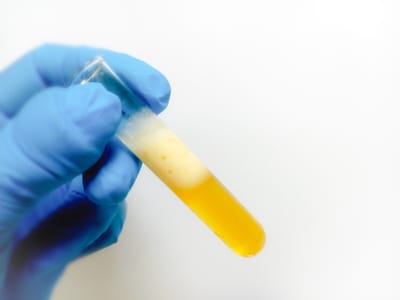
Foaming in urine doesn't always mean protein leakage. Foam can also be caused by rapid urination, concentrated urine, or cleaning agents in the toilet. However, if foaming becomes persistent or if protein/albumin is detected in a urine test, protein loss from the kidneys should be investigated. This evaluation is especially important if foamy urine is accompanied by edema, hypertension, hematuria, or impaired kidney function.
Read More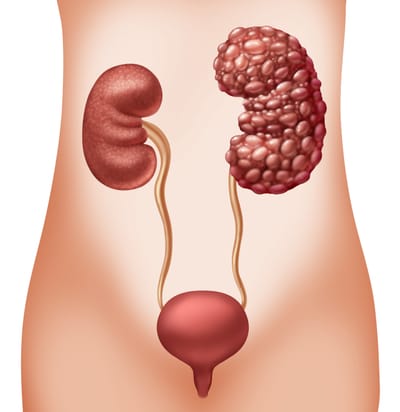
Polycystic Kidney Disease (PCKD) is a genetic (hereditary) disease characterized by the development of numerous fluid-filled cysts in the kidneys over time. As these cysts grow, they can disrupt the normal structure of the kidney and lead to a decrease in kidney function over the years. The disease often progresses slowly and may remain asymptomatic for a long time.
Read More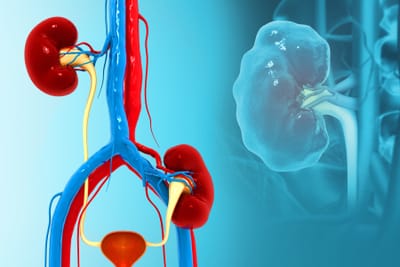
Today, kidney transplantation is considered the best alternative to dialysis and the most effective long-term treatment option.
Read More
Chronic kidney disease (CKD) is a condition in which the kidneys' filtering function is permanently reduced for at least 3 months, or signs of kidney damage persist.
Read More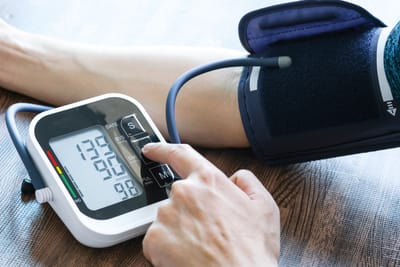
Hypertension is a condition where blood pressure is persistently higher than normal. Because it often shows no symptoms, it is often called the "silent enemy."
Read More
Peritoneal dialysis (PD) is a home dialysis method that uses the body's own membrane (peritoneum) as a natural filter to clean the blood when the kidneys are unable to perform their function adequately.
Read More