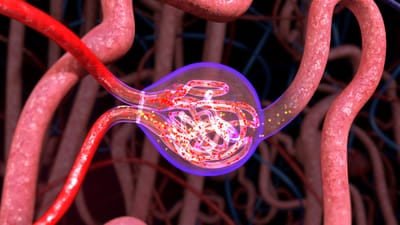
Kan tahlillerinde kreatinin değerinin yanında sıklıkla eGFR veya tahmini glomerüler filtrasyon hızı adı verilen bir değer görülür. Pek çok kişi eGFR'nin düşük olduğunu gördüğünde bunun doğrudan böbrek yetmezliği anlamına geldiğini düşünür. Ancak tek bir düşük eGFR değeri her zaman kronik böbrek hastalığı anlamına gelmez.
Read MorePatient Information
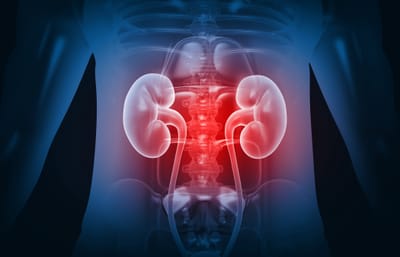
When kidney function is severely reduced and dialysis treatment becomes necessary, one of the most frequently asked questions by patients is: "Is peritoneal dialysis or hemodialysis better?" There is no single answer that applies to everyone. This is because the choice of dialysis method depends not only on the degree of kidney disease, but also on the individual's age, other illnesses, remaining kidney function, daily life, work status, home conditions, and personal preferences. The best dialysis method is the one that best suits the patient's medical and social characteristics.
Read More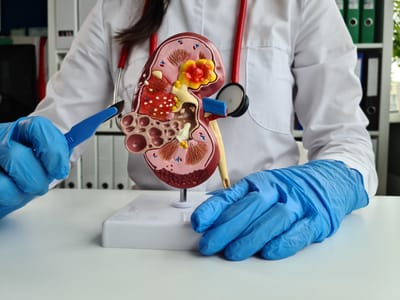
Seeing the phrase "kidney cyst detected" in a report after an ultrasound or CT scan can cause anxiety in patients. The most frequently asked questions are: "I have a cyst in my kidney, is it dangerous?" "Can the cyst turn into cancer?" "If the cyst grows, will it need to be removed?" First of all, it should be noted that not every cyst found in the kidney is dangerous. Simple kidney cysts, which are detected incidentally, are quite common, especially in adults, and the vast majority are benign. However, not all kidney cysts are the same. Imaging characteristics are more important than the size of the cyst.
Read More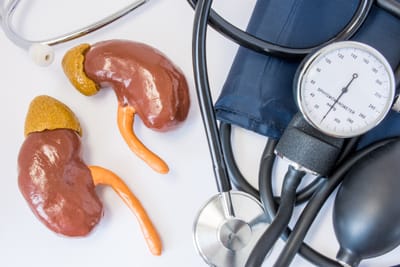
A practical 13-step guide to blood pressure control, explaining the effects of hypertension on the kidneys, from measurement to diet and medication, to protect the kidneys.
Read More
This is one of the most frequently asked questions in our nephrology clinic. There's a common belief that "the more water you drink, the better your kidneys work" or "drinking plenty of water cleanses the kidneys." However, the correct answer isn't the same for everyone. The amount of fluid needed can differ between a healthy person, a patient with kidney stones, a person with chronic kidney disease, and a dialysis patient. In fact, for some patients, drinking more water than necessary may not only be unhelpful but also harmful.
Read More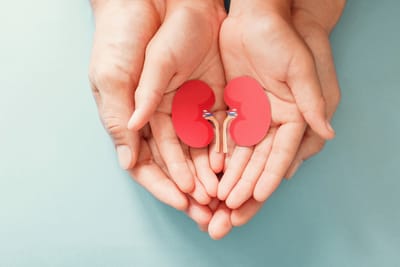
A high creatinine level in a blood test doesn't always mean kidney failure. Creatinine levels can be affected by kidney function, as well as age, gender, muscle mass, fluid status, diet, intense exercise, and certain medications. Therefore, creatinine levels should not be evaluated in isolation, but rather in conjunction with previous creatinine values, eGFR, urinalysis, and albumin/protein levels in the urine. This article will explain in detail what creatinine is, why it rises, when it is dangerous, and when you should consult a nephrologist.
Read More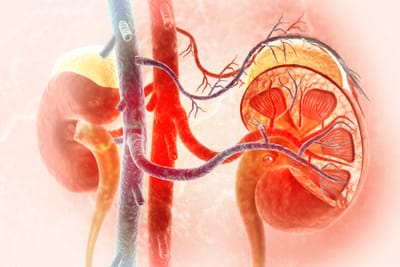
Elevated creatinine levels are one of the most common reasons for visits to nephrology clinics due to kidney disease. However, for many people, the phrase "high creatinine" can cause unnecessary anxiety. In reality, there are many different causes of high creatinine levels, and it doesn't always mean permanent kidney damage. In this article, we explain what creatinine is, why it can rise, and when you should consult a nephrologist.
Read More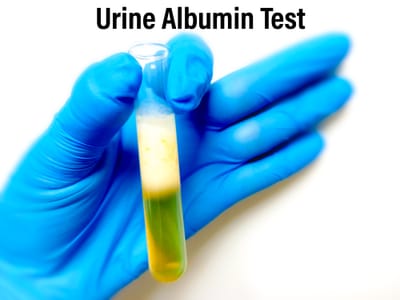
Is every instance of proteinuria dangerous? No. In some cases, temporary proteinuria can occur: after strenuous exercise, during a feverish illness, when dehydrated, or during periods of intense stress. However, persistent proteinuria must be investigated.
Read More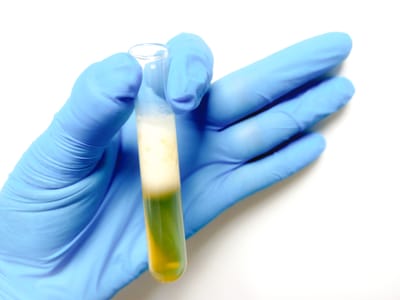
Our kidneys are one of the most important filtering systems in our body. Every day, liters of blood pass through the kidneys, preserving essential substances while removing harmful waste products through urine. A healthy kidney retains most of the valuable proteins in the blood. However, in some cases, the kidney's filtering structure malfunctions, and proteins that shouldn't normally pass into the urine begin to be lost. This is called protein leakage, or proteinuria. Protein leakage can sometimes progress for years without showing any symptoms. Therefore, early diagnosis is critical for protecting kidney health. Regular check-ups are especially important for people with hypertension, diabetes, or a family history of kidney disease.
Read More
Lifestyle changes are a fundamental step in the treatment of hypertension for all patients. They may delay or reduce the need for medication in some individuals; however, they do not always replace medication in suitable patients. The goal is not just to lower blood pressure, but to protect the heart, brain, kidneys, and blood vessels for many years. Remember: Hypertension is a silently progressing disease. Feeling well does not mean your blood pressure is under control. Successful results are achieved when regular monitoring, healthy lifestyle habits, and appropriate medication are used together.
Read More
In the treatment of hypertension, lifestyle changes are as important as medication. Improving dietary habits, in particular, can help lower blood pressure and reduce the number of medications used. Studies show that proper nutrition can lead to a reduction in systolic blood pressure of 5–15 mmHg.
Read More
Hypertension: A Silently Progressing Disease Hypertension (high blood pressure) is a condition in which blood is forced against the walls of blood vessels at a higher pressure than normal. It is one of the most common chronic diseases worldwide and is among the leading causes of cardiovascular disease, stroke, and kidney failure. The most important characteristic of hypertension is that it can progress for many years without showing any symptoms. For this reason, it is often called the "silent killer".
Read More